 The Captain's Cabin
Raspberry Pi 5 home server parts I run and the case I bought next
Updated September 29, 2026
| Item | What it does | Status | |
|---|---|---|---|
| Pironman 5 NVMe M.2 SSD Case for Raspberry Pi 5 | Case with NVMe slot, fan, and a tiny status screen | Own it, not installed yet | View on Amazon |
| Crucial P310 500GB PCIe Gen4 NVMe M.2 SSD | Fast, cheap NVMe boot and data drive | Own it | View on Amazon |
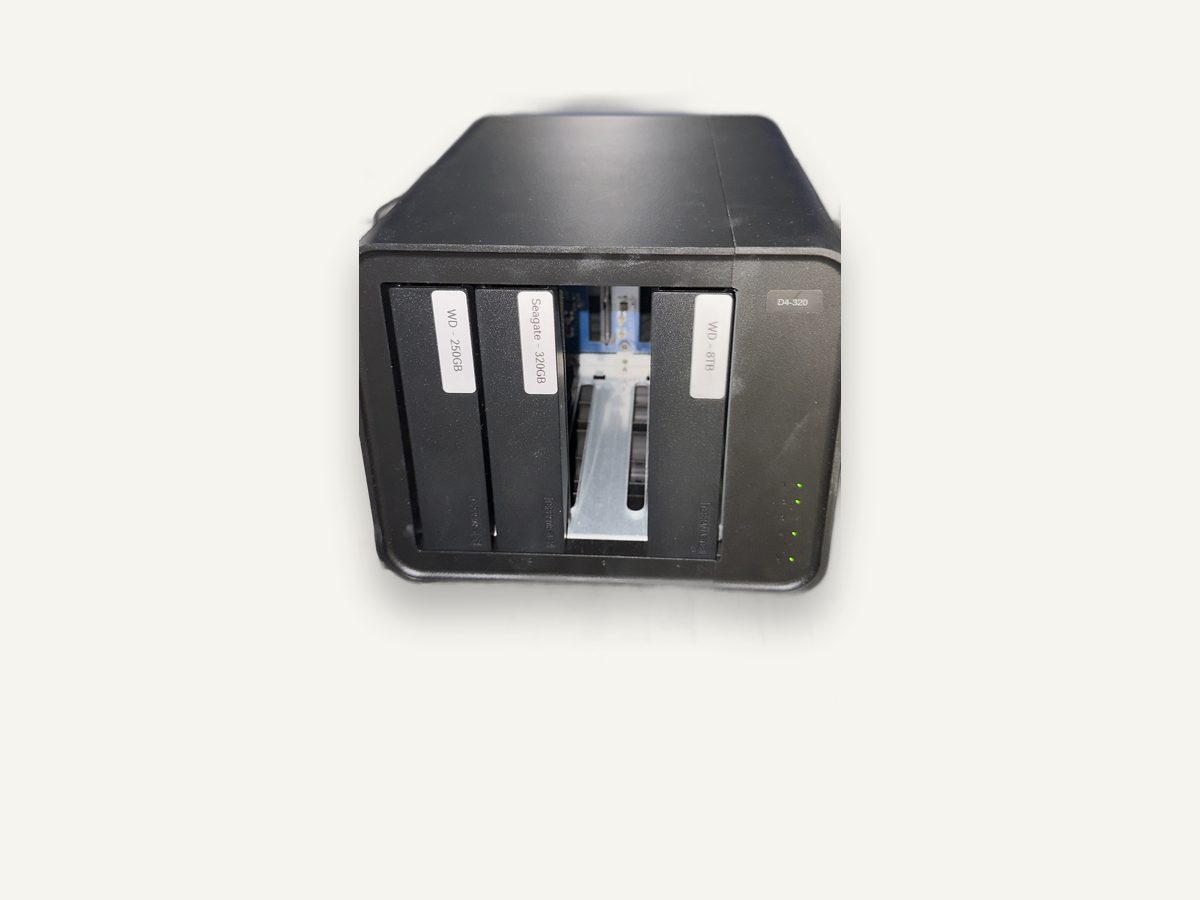
| TERRAMASTER D4-320 4-Bay External Hard Drive Enclosure | Four drive bays next to the server, no NAS price | Own it | View on Amazon |
| NETGEAR 8-Port Gigabit Ethernet Unmanaged Switch (GS308) | Wired ports for every box in the rack | Ran it for years, gave it away after moving to UniFi | View on Amazon |
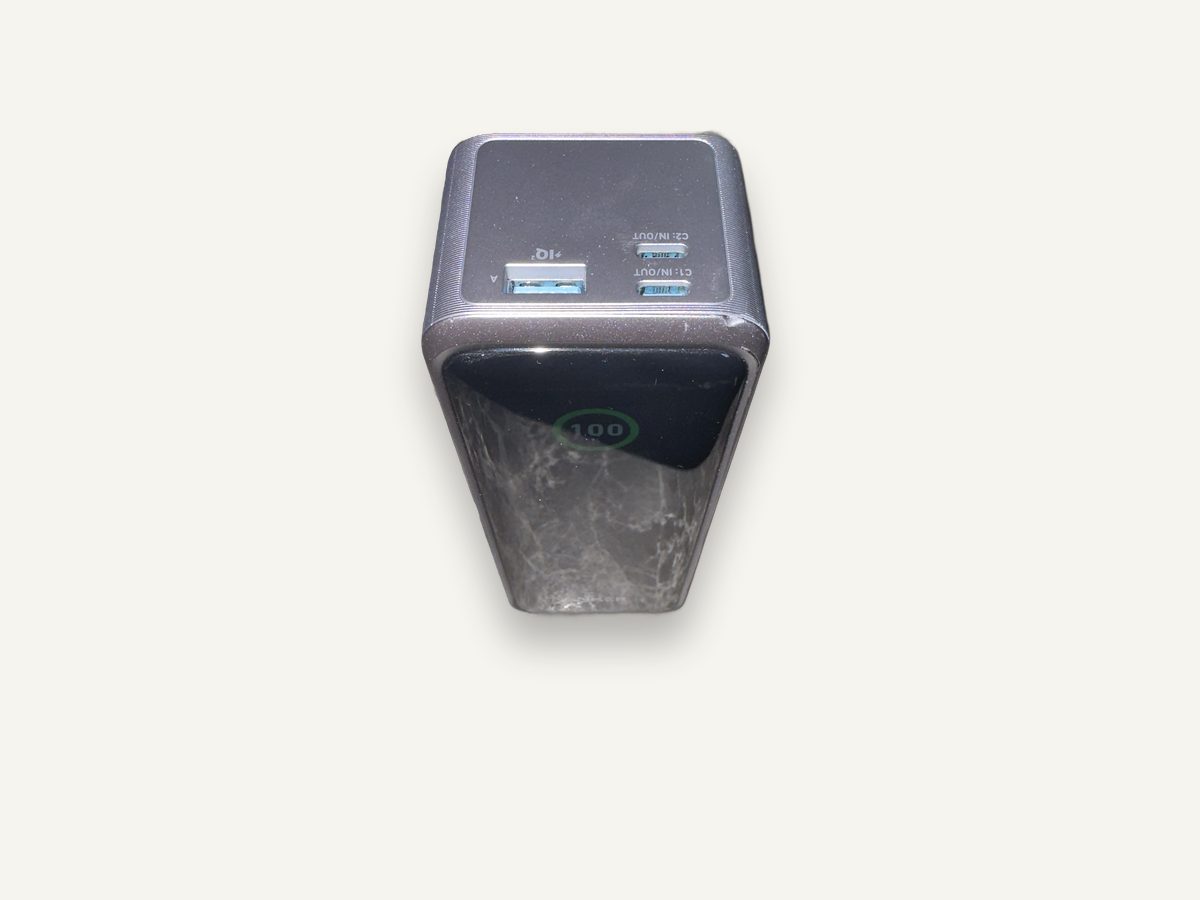
| Anker Prime Power Bank, 27,650mAh 3-Port 250W | Keeps a laptop alive while I fix something on the Pi | Own it | View on Amazon |
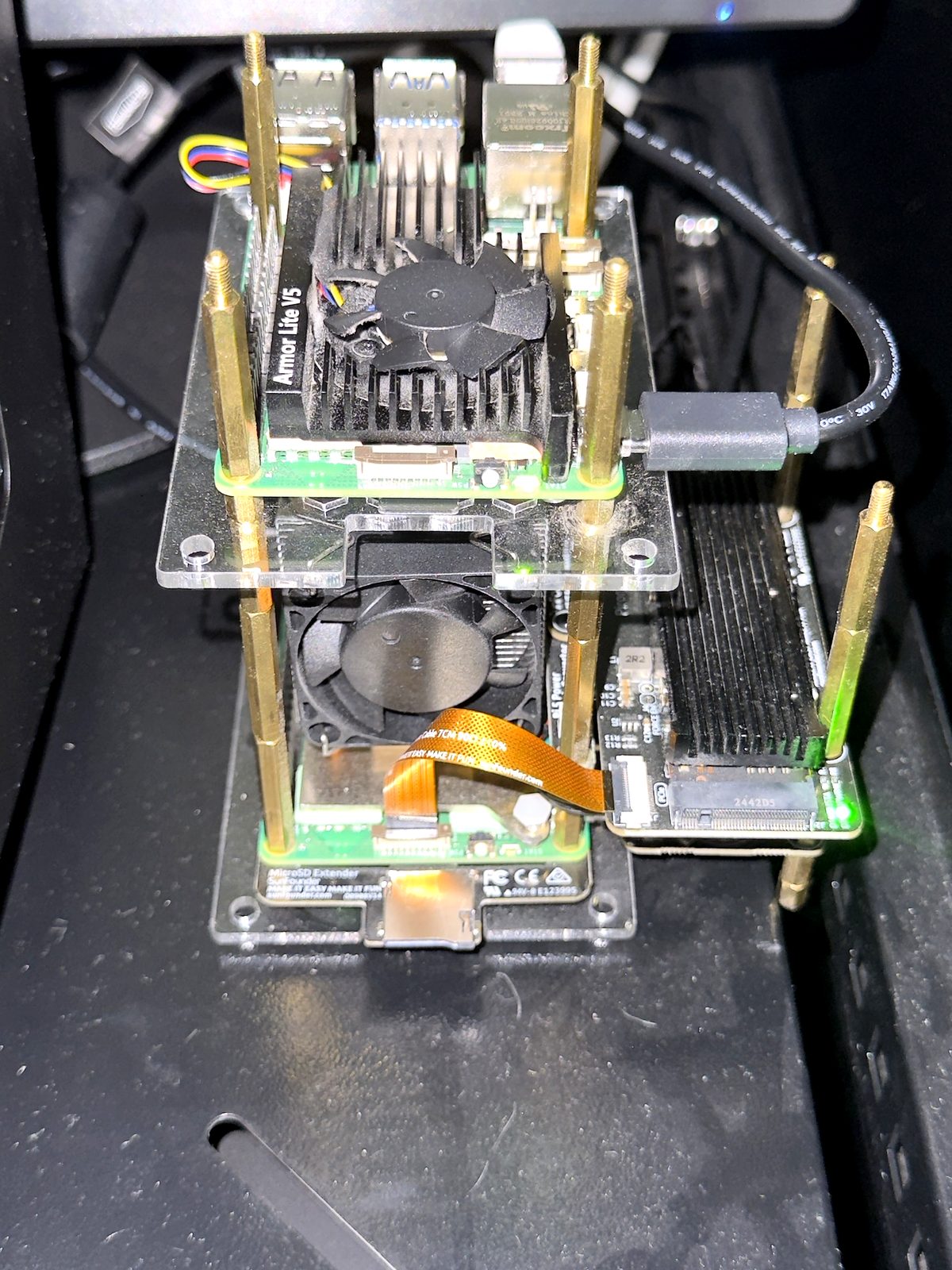
My home lab is two Raspberry Pi 5 boards. The 16 GB one runs the real work: a Docker stack with n8n for automations, Postgres, a vector database, and a small local AI model. The 4 GB one runs AdGuard Home so every device in the apartment gets ad blocking without installing anything. Both are wired, both sit on a shelf in a home office, and both have to survive weeks without me touching them. These are the parts that made that boring in the good way.
Case: stop treating the Pi like a bare board
The Pironman 5 case is the one I bought for the next rebuild, and honest status: it is still on the shelf, not on a running Pi yet. I picked it because it gives the Pi an M.2 slot for a real NVMe drive, an active cooler, and a little OLED that shows CPU load, temperature, and IP address without pulling up a terminal. The current Pis run in basic cases with fans, and the reason this one is next is that a Pi 5 under sustained load in a plastic case gets hot. It also looks like a small PC instead of a science project, which matters when it lives in the room where you work. I will update this section once it is running.
Storage: NVMe for the OS, spinning disks for the bulk
Booting a Pi from a microSD card is the thing everyone does first and regrets later. The Crucial P310 is the NVMe I reach for in small builds: Gen4, fast, and cheap enough at 500 GB that there is no reason to keep the card. For bulk storage the TerraMaster D4-320 is a four-bay USB enclosure, not a NAS. That is the point: it costs a fraction of a NAS, it plugs into a server I already own, and it holds the media and backups without adding another box that needs its own updates.
Network: wire everything
Wi-Fi on a server is a support ticket waiting to happen. The NETGEAR GS308 is an unmanaged eight-port gigabit switch that did exactly one thing for years: give every Pi, the desktop, and the workstation a wired port off one router uplink. No configuration, no app, no firmware to babysit. I gave it away after moving the whole network to UniFi, but if you are not ready for a managed setup, this is the switch I would point you at for a wired shelf like this.
The one odd item
The Anker Prime power bank is here because a Pi rebuild always takes longer than planned, and a 250 W bank keeps the laptop I am working from charged through the whole job. It travels with me the rest of the time.
Everything else on the tech side of this site lives on the tech and gaming page.
The picks
More
More
More
More